Meet our Partners
-
Community Health Impact (CHI) is a Woman Non-Profit Organization (W/NPO) 501(c)3 certified by the MA Supplier Diversity Office. CHI is a well-known provider of workforce development and training for Community Health Workers (CHWs), Medical Interpreters, and other health professionals. Its 80-hour CHW Core Competency curriculum is officially approved by MA Department of Public Health’s Board of Certification of CHWs and its supervisors are recognized by the National Education Collaborative, the MA Department of Public Health, and the U.S. Health Resources and Services Administration.
Community of Practice
Communities of practice are groups of people, networks, or institutions that: 1) share common concern, in this case, outreach and problem gambling among youth, and 2) interact on an ongoing basis to exchange information and discuss ideas and experiences about that topic and work. Different topics were covered such as Motivational Interviewing, Boundary Setting and Documentation, Social Drivers of Health and Health Equity. Youth Leaders Staff were probed to see themselves as not only youth development specialists but also as public health specialists and community health workers. Each session served as a time to check-in and troubleshoot with peers, colleagues and the facilitator about successes and challenges.
Interviewing Stakeholders
Key Informant Interviews – four interviews, including with local peer-to-peer prevention program subject
matter experts, LEI youth-serving staff, Problem Gambling Youth Ambassadors, and local youth/young
adults/parents with lived problem gambling or gaming addiction experience.
Themes from Four Problem Gambling Interviews
March – June 2025 Interview Overview
Interviewer: Jena Adams, SVP, Center for Health Impact
Participants:Two male college students
One female post-college former peer educator
One adult leader of a health-related youth peer education program
Thoughts on Gambling or Problem Gambling:
For some participants, personal experiences with family members affected by gambling addiction left a lasting impression. One participant shared witnessing a loved one whose life was destroyed by gambling, while another noted the growing trend of marketing gambling, gaming, and betting directly to youth. Others recognized gambling mostly through sports betting or lottery tickets, reflecting on how easily it can become addictive, especially in the context of phone apps that make money feel intangible. The idea of “betting” during sports games was prevalent among some of the younger participants, with some even “light betting” on virtual basketball games like 2K. Though most participants hadn't experienced major gambling issues personally they were aware of the risks involved, such as losing small amounts of money or becoming trapped in cycles of addiction.
How Equipped Are You to Talk About Problem Gambling?
Most participants felt that their work aligned with addressing community health issues, including gambling. One emphasized the connection between problem gambling and its prevalence in low-income neighborhoods, where marketing for lottery and scratch tickets is visible. However, some participants felt underprepared to directly address problem gambling. They suggested that more time and better programming, especially interactive and engaging activities, would help make the topic more accessible for youth. Access to data and statistics was also highlighted as necessary in conveying the seriousness of problem gambling.
Ideas for Equipping Youth and Good Messages:
There were several ideas for how to approach young people about gambling. Many suggested starting with broader community issues like littering or violence and linking those issues to gambling. The notion of “betting” as harmless was another area of focus, highlighting the consequences of casual behavior like “light betting” and how it could escalate. Several emphasized the importance of helping youth understand the long-term risks of gambling, such as debt, addiction, and social isolation, while also suggesting that moderation could be an entry point for those already involved in gambling. Participants also mentioned educating youth about the “dopamine hit” from winning and the addictive cycle that follows.
Experiences as a Youth Outreach Worker:
Participants appreciated the learning aspect of their work, particularly the opportunity to become experts on important topics like gambling prevention. They felt good being part of a community that cared about these issues. They also learned to navigate sensitive topics with peers by creating a safe environment, role-modeling appropriate conversations, and normalizing difficult conversations.
Suggestions for Recruitment and Retention of Ambassadors:
Recruiting youth ambassadors was seen as an opportunity to work with established community partners, leverage social media, and create engaging videos showcasing the impact of the program. To keep ambassadors motivated, participants emphasized the importance of connecting their work to skills development, such as public speaking and leadership, as well as the tangible benefits like college applications, volunteer hours, and stipends. Community-building aspects, like “family meetings” and regular social gatherings, were also highlighted as key for maintaining engagement. Offering resources and support for personal issues was another crucial element in retaining ambassadors.
Outreach Locations:
Participants suggested that effective outreach can happen in a variety of settings, from schools and after-school programs to college preparation initiatives and faith-based communities. Social media also emerged as an important tool for connecting with youth where they are most active. Establishing relationships in these spaces can serve as a bridge to more specific topics like gambling prevention.
-
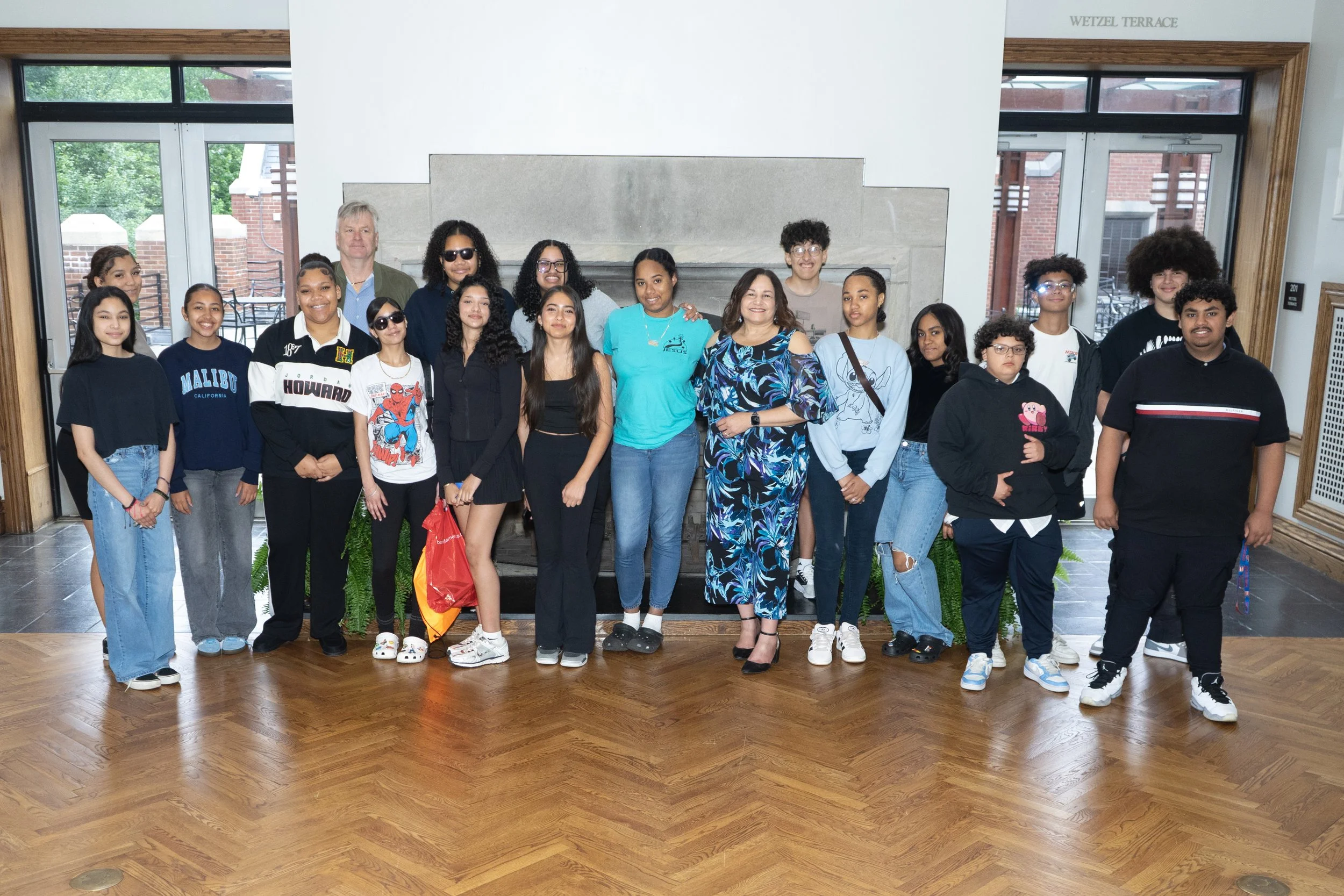
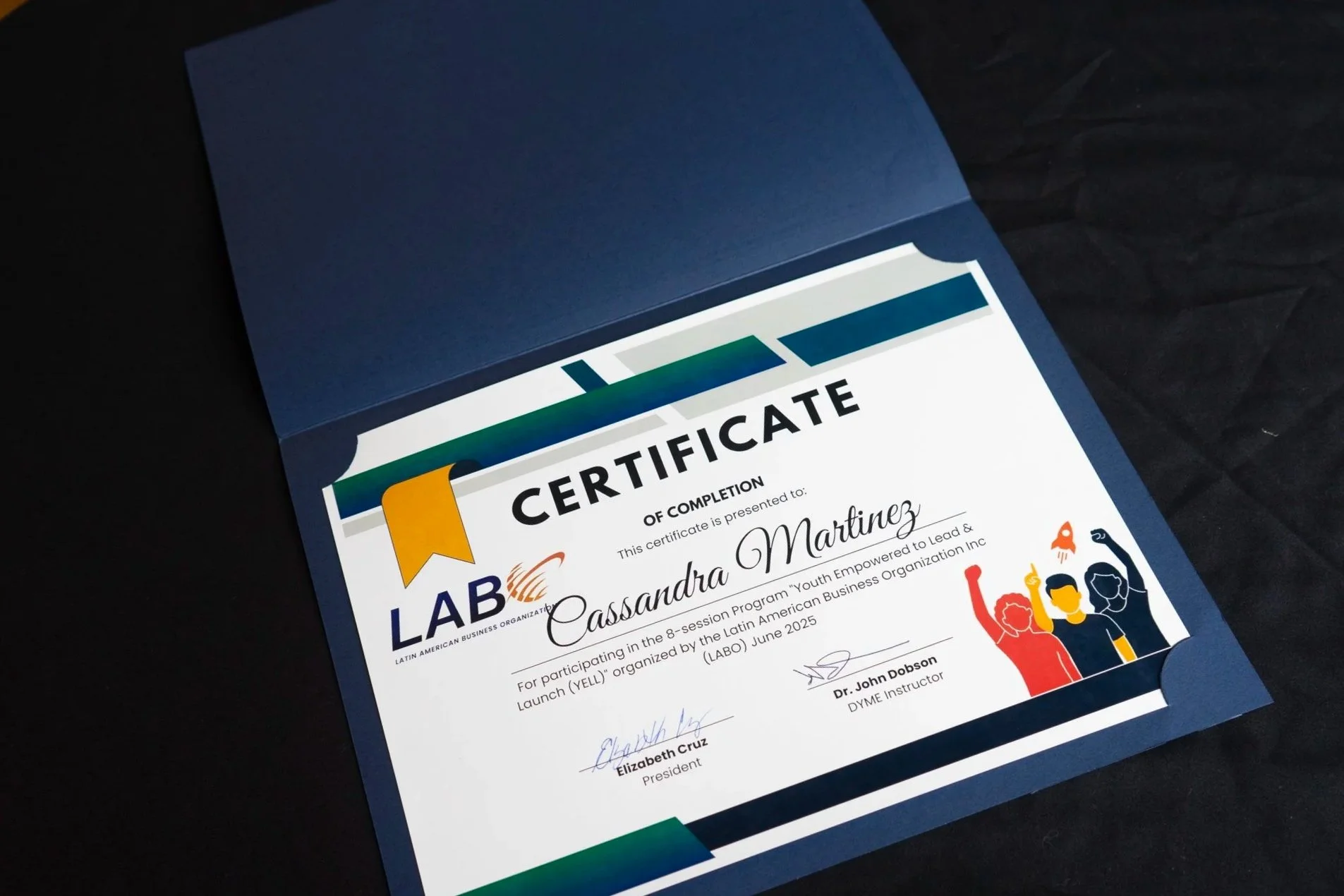
Through our partnership with LABO we were able to pilot a youth entrepreneurship program: Youth Empowered to Lead and Launch (YELL). YELL was a 8-session, hands-on initiative designed for Latino youth in grades 8–11 who may be at risk or in need of guided support. The program was designed to equip students with real-world experience and practical skills in entrepreneurship, leadership, budgeting, branding, and public speaking. Sessions were led by professors, entrepreneurs, community leaders, and subject matter experts who reflect and represent the communities we serve. Through interactive workshops, field visits, and mentorship, students were able to gain confidence, leadership tools, and inspiration to plan for their future—culminating in a graduation celebration and a surprise award for the best pitch.
The program focused on developing entrepreneurial skills and empowering participants through hands-on learning. It began by exploring personal leadership skills and exploring how community problems can be turned into business ideas. Participants gained practical experience with budgeting and understanding how education and business influence financial freedom. They learned about branding, marketing, and the power of social media, while creating personal logos and posts. The program also emphasized economic empowerment, with local business visits and a hands-on culinary activity. Public speaking skills were developed through two-minute pitches, helping participants gain confidence and overcome language barriers. Networking with local entrepreneurs provided opportunities to pitch ideas and connect with the business community.
-
The Gaston Institute partnered with Latino Leadership Opportunity Program (LLOP)- undergraduate students who enrolled in a seminar- completed Youth Participatory Action Research (YPAR). This included a series of workshops in collaboration with community partners- Talented and Gifted Latino Program and Project ALERTA (TAG | ALERTA), Sociedad Latina, and Casa Latina at UMass Boston. The YPAR aimed to improve understanding of gambling behaviors among Latino and immigrant youth (ages 12–20), explore co-occurring mental health concerns, and identify culturally responsive prevention strategies. See below for the research questions. The research findings can be reviewed in the attached report created by the Gaston Institute.
Youth Participatory Action Research
The Gastón Institute’s Workshops focused on the Latino youth and aimed to answer the following questions:
1. What level of awareness and understanding do young people currently have about the risks and consequences of gambling, and the skills and behaviors that can protect them against developing problems with gambling?
2. Which prevention strategies are most accessible and culturally relevant for young people from diverse backgrounds to prevent or reduce underage gambling?
3. How can we increase awareness about underage problem gambling and understand its impact on young people, their families, and communities?